"I will copy the useful part into a document and tidy it up later." That film showed you the alternative, and this lesson is the habit underneath it.
Ask for the briefing as a finished document and the window does something new. The answer stops scrolling up the conversation. It stands beside it instead, in a panel of its own, titled and laid out like a document somebody typeset.
Everything before this was the machine telling you things. This is the machine handing you one.
Claude calls what lands in that panel an artifact, and the word matters less than the habit it buys.
What earns the panel
Short answers never get this treatment, and that is deliberate. The panel is for output that is substantial and stands on its own: something you would plausibly edit, reuse or send.
A rule of thumb that matches the behaviour closely enough to work from. If the thing you asked for would have a title, it probably wants to be an artifact. Panels ride on the code execution and file creation setting, which lives under Capabilities and is worth a glance if one has never appeared for you.
What fits there is wider than anybody discovers by accident. A brief or a memo. A single page site rendering live in front of you. A working tool with parts that move. A diagram drawn straight from your own material.
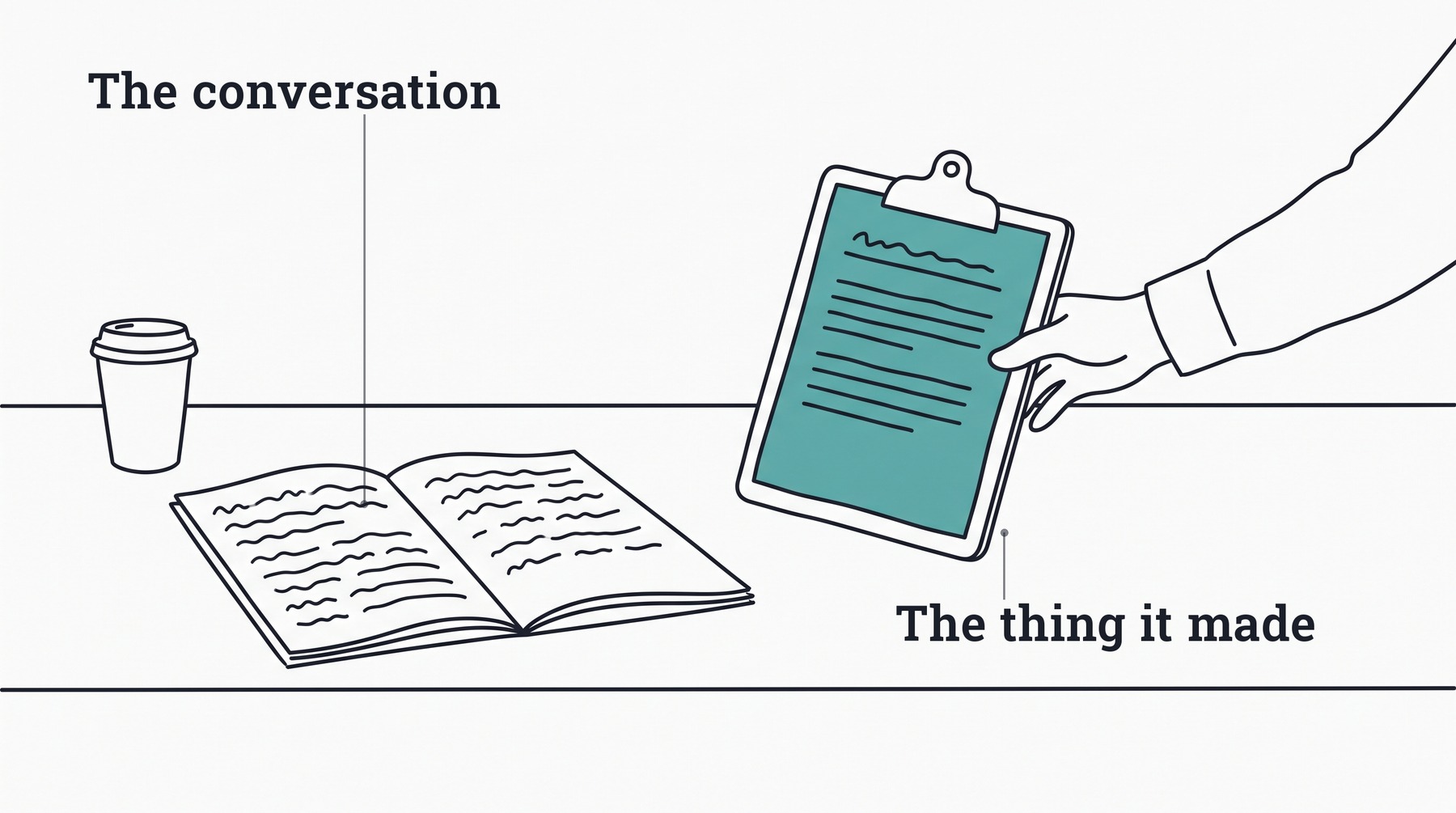
The conversation carries on down the left while the document sits on the right, and both stay live.
Arguing with it in place
This is where the panel stops being a display. The brief in front of you is competent and wrong in shape, because the recommendation is buried and one section reads as though somebody was paid by the word.
"Lead with the recommendation in bold, and cut the liability section to three sentences."
You say that in the chat and the document revises itself where it stands. Same panel, next version.
For written documents there is a finer grip. Highlight the weak sentence inside the panel, choose to edit it with Claude, and say what should happen to that span alone.
Nothing else in the document moves, which is the difference between leaning over a writer's shoulder and sending the whole memo back.
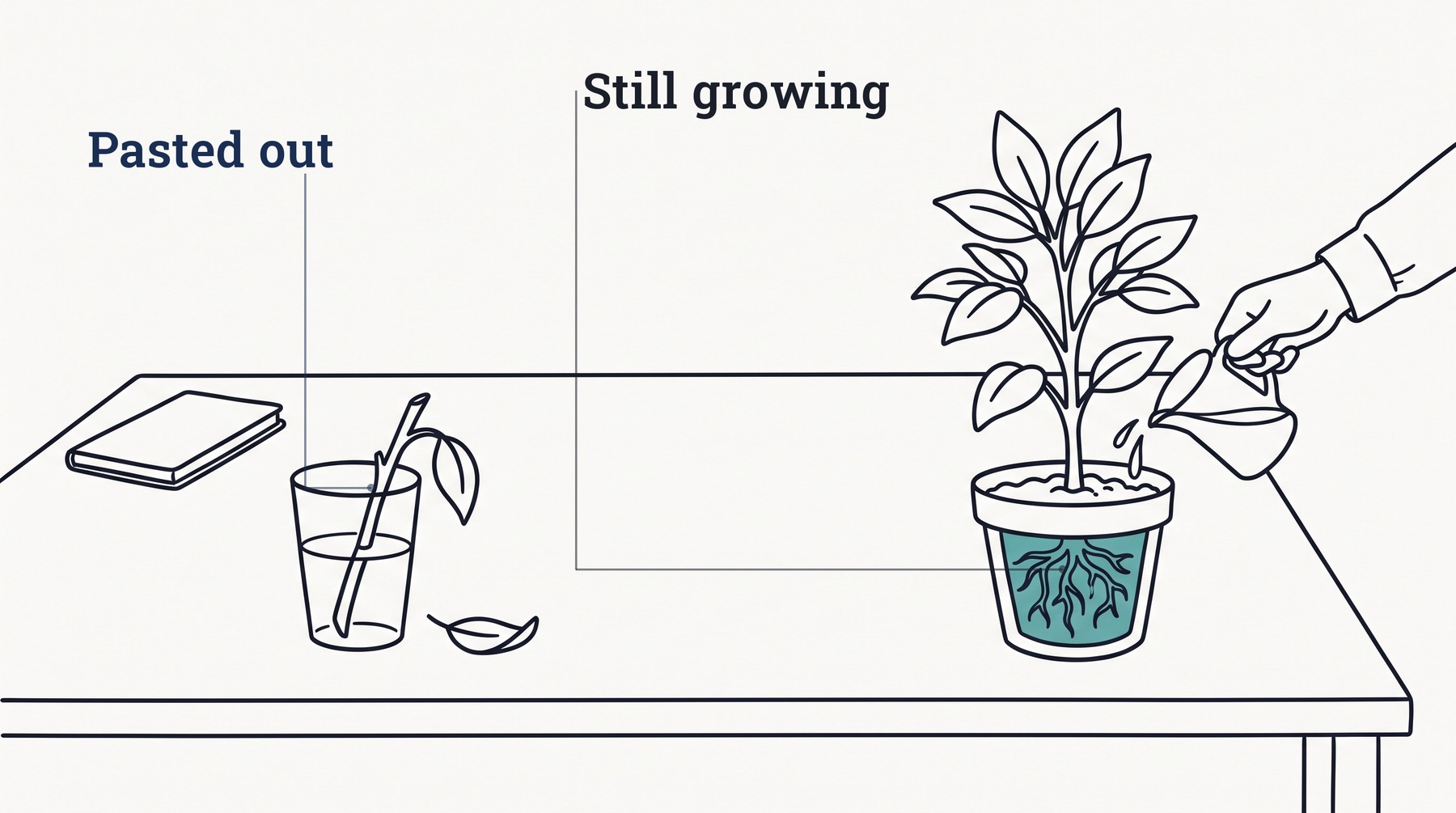
Drafts you overwrite are not gone either, because a version selector on the panel steps back through every one of them, which is what makes a brave edit cheap.
Out of the building
Nobody who matters will read your analysis in the tool where you made it, so an artifact has three ways out.
A real file, made for you rather than copied out of a reply
A published link anyone can open and use without signing up, and take their own separate copy of
A small working page, a tracker or a checklist with parts that actually move
When plain chat is the right answer
Plenty of output deserves to be copied out and forgotten, and asking for a panel there is ceremony.
The output will go through revisions before anybody signs it off
Somebody other than you will read, use or receive the thing
It has structure worth keeping, like sections, a layout or working parts
You will want it again after this conversation ends
Nothing ticked means what you wanted was an answer rather than an object. A limit rides with the third exit too, since a published page keeps no logins and no memory of its visitors, which makes it a fine tracker and a poor record. Which thing on your desk this week deserves the panel?
The panel earns itself the moment the output has to live longer than the conversation that made it.
Where these facts come from
What triggers a panel, the version selector, editing a highlighted span, the file formats and publishing to a public link are all the publisher's own documentation, read on the day this was written, and theirs to change. The counts in the panel are yours: it multiplies two numbers you set. Nothing here is a measured claim about The Training Group or about anybody's document.